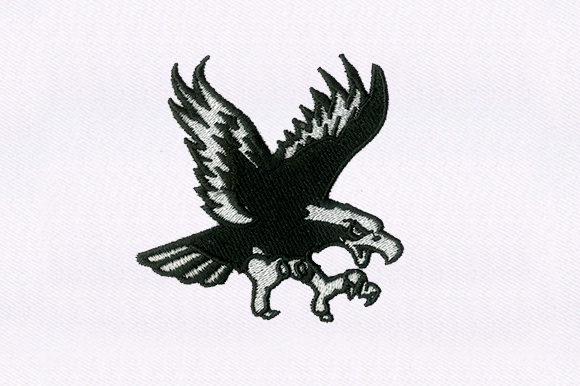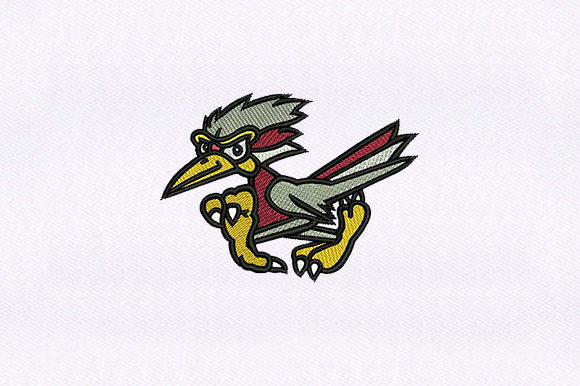
Walking Bird Embroidery Review for Craft Fair Products
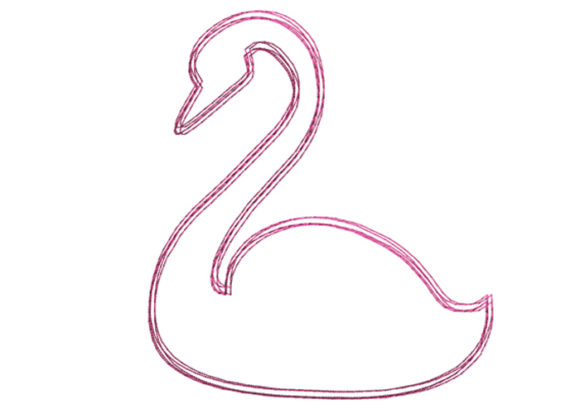
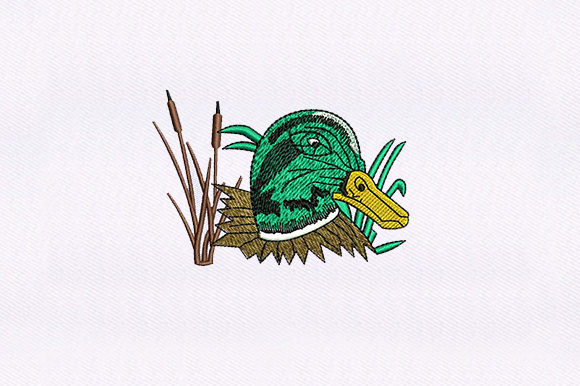
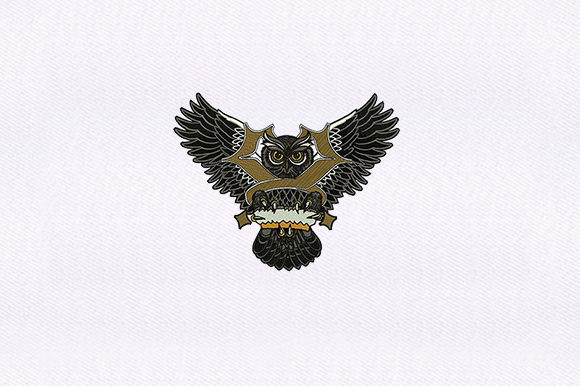
Walking Bird immediately captures attention with its gentle charm and whimsical appeal. As an experienced embroidery designer, I can see how this design has the potential to become a standout piece in any craft fair or handmade market display. It’s a machine embroidery design that feels both playful and refined—perfect for a wide range of craft fair products.
First Impressions of Walking Bird
The name Walking Bird suggests movement and life, and the design reflects that with soft curves and a sense of motion. The imagery is cute without being overly childish, making it versatile for various audiences. It leans into a farmhouse and rustic aesthetic but also carries a modern edge that appeals to younger buyers. This duality makes it a strong candidate for a variety of handmade products.
Performance on Different Craft Fair Products
Walking Bird shines on fabric items where detail can be appreciated. On tote bags, it becomes a subtle yet eye-catching accent that adds personality without overwhelming the design. For apron embroidery, it works well as a decorative feature on pockets or apron fronts, especially if paired with complementary thread colors.
Tea towel embroidery benefits from the design’s softness, allowing it to blend seamlessly with kitchen-themed patterns. As an embroidered patch, Walking Bird becomes a collectible item, ideal for small shop products or gift items. On caps, it requires careful placement due to the curved surface, but when done right, it adds a unique touch to headwear.
Fabric pouches and pillow covers are excellent showcases for Walking Bird. These items allow the design to be the focal point, especially when using high-quality thread colors that stand out against light-colored fabrics. For market bags, the design can be used as a branding element, reinforcing the identity of an Etsy seller or boutique maker.
Selling Points and Production Considerations
Walking Bird is easy to understand at a glance, which is crucial for craft fair products where customers often make quick decisions. It functions well as a small accent or a large focal design, depending on the product. When photographed for Etsy listings, it looks clean and appealing, making it ideal for printable mockups and digital marketing.
For batch production, the design’s simplicity allows for repeatable quality. However, care must be taken with stitch density and thread colors to ensure clarity, especially when scaling down the design for smaller items like patches or caps. Testing on scrap fabric is essential to confirm how Walking Bird performs with different hoop sizes and stabilizer types.
Careful-Use Notes for Embroidery Designers
While Walking Bird is generally forgiving, there are some considerations. Dense stitch areas may require additional support, especially on thick fabrics or textured towels. Tiny details in the design should be checked for visibility on dark fabrics, as thread contrast can affect overall appearance. Also, designs that lose clarity at smaller sizes should be tested before finalizing design assets for commercial use.
For best results, always compare fabric colors and review spacing to ensure the design maintains its integrity across different materials. If you plan to sell finished products, confirm commercial licensing for the digital embroidery file to avoid legal issues later.
Visual Appeal and Customer Engagement
Walking Bird enhances the visual appeal of any handmade product by adding a touch of nature and whimsy. It draws customer attention and elevates the perceived value of items like tote bags, aprons, and pillow covers. Its presence on craft fair products contributes to a cohesive brand image, especially for small shop products looking to stand out in a competitive market.
When displayed in a booth, Walking Bird can be used as a sample or a promotional item, encouraging buyer engagement and showcasing the quality of your finished product. Whether as a standalone piece or part of a larger collection, it supports brand consistency and reinforces the handmade quality of your work.
Embroidery Designer Tips for Using Walking Bird
To ensure success with Walking Bird, follow these practical steps:
- Test the design on scrap fabric before committing to full production.
- Check thread contrast to ensure visibility on different fabric colors.
- Review spacing and adjust as needed for optimal stitch placement.
- Confirm hoop size and prepare appropriate stabilizers for each fabric type.
- Inspect stitch density to maintain quality and prevent fabric distortion.
- Create at least one real mockup to visualize how the design will look on actual products.
- Compare fabric colors to match the intended aesthetic of your handmade items.
- Confirm commercial licensing for the digital embroidery file before selling finished products.
Walking Bird is more than just a machine embroidery design—it’s a versatile and charming addition to any craft fair product lineup. With thoughtful application and attention to detail, it can become a favorite among handmade product buyers and a valuable asset for Etsy sellers and creative entrepreneurs alike.